Understanding the Incoterms That Actually Matter
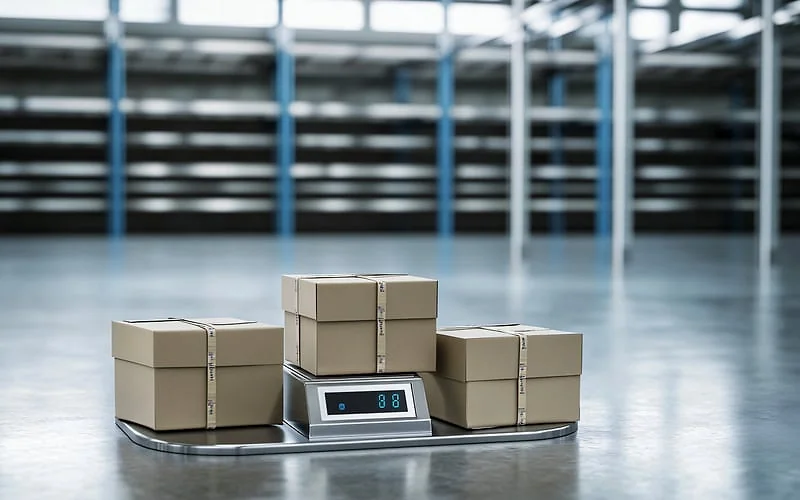
Three Incoterms handle the vast majority of jewelry shipments from China: FOB, CIF, and DDP. FOB (Free on Board) means the supplier delivers goods to the port in China and you take over from there — you arrange international freight, customs clearance, duties, and last-mile delivery. FOB is the most common choice for experienced buyers because it gives you full cost visibility and the option to negotiate your own freight rates.
CIF (Cost, Insurance, and Freight) bundles sea freight and marine insurance into the supplier's quote, delivering to your destination port. This looks simpler but supplier freight markups are often 15 to 30 percent above market rates. DDP (Delivered Duty Paid) is the most buyer-friendly: the supplier handles everything including duties and final delivery. DDP is convenient but can disguise miscoded HS tariffs that create personal customs liability for you even after the supplier has handled clearance. Use DDP with suppliers you know and trust; use FOB with everyone else.
Air Freight vs Sea Freight vs Express Courier
Sea freight (FCL or LCL containers) is the cheapest option at roughly 0.50 to 2 USD per kilogram door-to-port, but transit takes 25 to 40 days to the US East Coast or EU, 18 to 25 days to the US West Coast. For established SKUs ordered well in advance, sea freight is almost always the right call.
Air freight runs 4 to 8 USD per kilogram and takes 5 to 10 days door-to-port. Use it for rush orders, high-value pieces where freight is a small percentage of cost, or when a Q4 sea-freight window is about to close. Express courier (DHL, FedEx, UPS) runs 8 to 20 USD per kilogram and arrives in 3 to 7 days including door-to-door delivery and customs handling — ideal for samples, small initial orders, and replenishment of hot-selling SKUs too urgent for air freight.
HS Codes, Tariffs, and De Minimis Rules
Jewelry typically falls under HS chapter 71 (precious stones, precious metals, and articles thereof) or chapter 7117 for imitation jewelry. The specific sub-code matters: gold and silver jewelry, stainless steel fashion jewelry, and lab-grown diamond pieces each carry different duty rates, and miscoding is a common source of customs disputes. Work with your supplier and a licensed customs broker to lock in correct HS codes before shipment.
As of 2026, US duty rates for jewelry range from 0 to 13.5 percent depending on category, with additional Section 301 tariffs still applying to many China-origin goods. The US de minimis threshold (goods under 800 USD per shipment entering duty-free) has been significantly tightened for certain origin countries including China — assume duty applies on every commercial shipment regardless of size. In the EU, jewelry generally attracts 0 to 4 percent duty plus VAT of 17 to 27 percent depending on member state. Budget for duties and VAT in your landed cost calculation from day one; buyers who treat duties as an afterthought consistently miscalculate margins.