Why MOQs Exist in the First Place
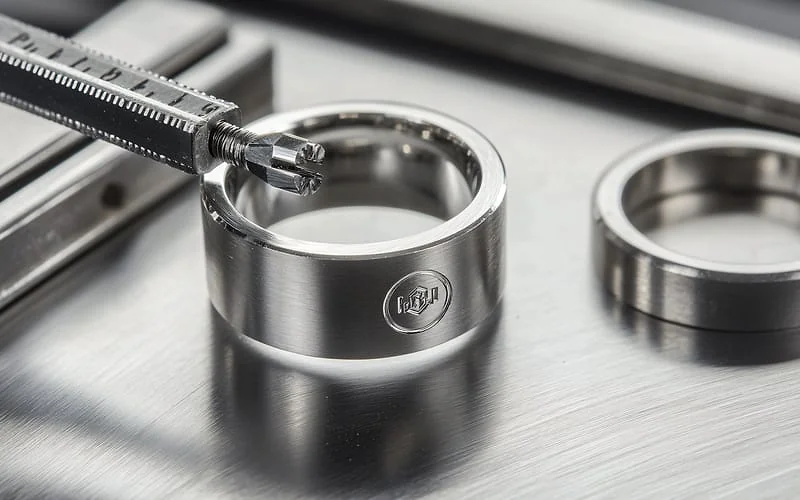
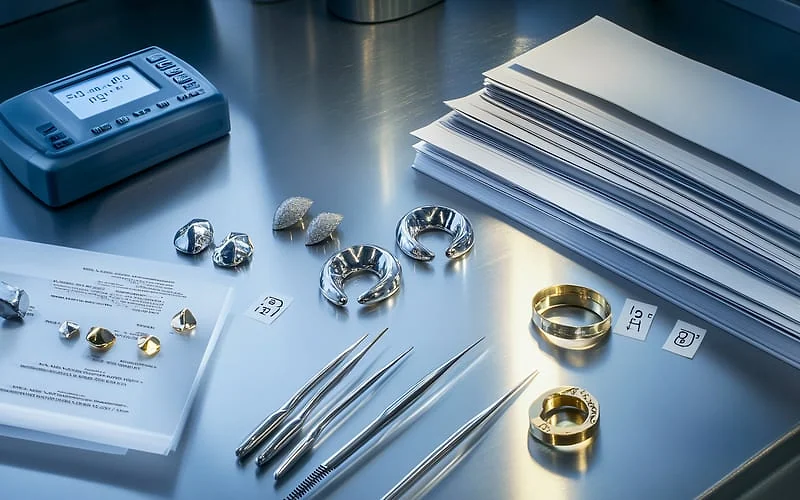
Minimum order quantities are not arbitrary — they reflect the real setup costs of jewelry production. For each new SKU, a factory invests in mold creation, stone matching, plating bath preparation, and quality control calibration. These fixed costs must be amortized across a production run, which is why factories rarely accept orders below a certain threshold. Understanding this logic helps buyers negotiate more effectively instead of pushing against walls that cannot move.
Typical MOQs for 925 sterling silver jewelry range from 50 to 100 pieces per design, while fashion jewelry in brass or stainless steel often starts at 100 to 300 pieces. Custom designs with new molds usually require 300 to 500 pieces to justify tooling costs, and highly complex stone-set pieces may start even higher.
Standard Tier Ranges and What They Mean
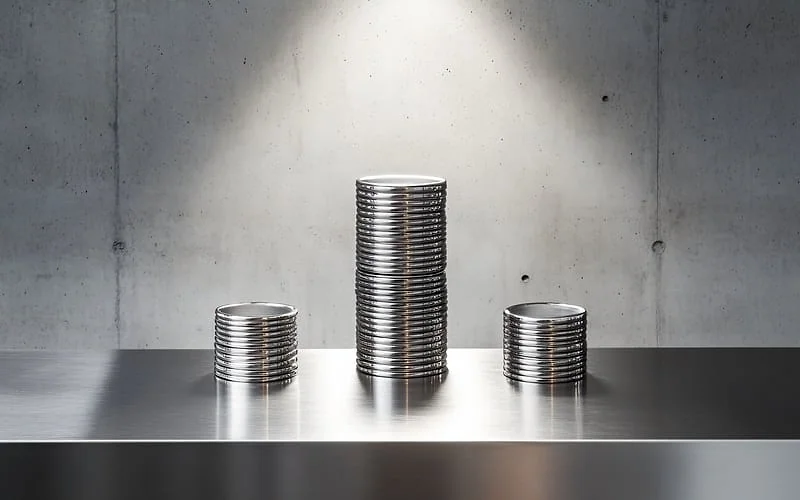
Most jewelry wholesalers offer three to four pricing tiers. The entry tier, often 100 to 300 pieces, carries the highest unit price and is designed for first-time buyers testing a design. The mid tier, typically 500 to 1,000 pieces, unlocks a meaningful per-unit discount and is where most established retailers operate. The volume tier, 3,000 pieces and above, delivers the sharpest pricing and is common for brands running long-standing bestsellers.
Price drops between tiers are not uniform. The largest percentage discount usually happens between the entry and mid tiers — often 15 to 25 percent — because that is where setup costs finally get fully amortized. Beyond the volume tier, further discounts tend to be 5 percent or less and mainly reflect raw material purchasing power.
Negotiation Levers That Actually Work
The most effective way to reduce MOQs is to combine SKUs within the same material and plating family. Ten different ring designs at 100 pieces each may be acceptable to a factory if they share the same silver alloy and rhodium bath. Another strong lever is committing to repeat orders in writing — factories will often accept a lower first order if you sign a purchase agreement for follow-up production within six months.
Avoid pushing for MOQ reductions without offering something in return. Instead, offer flexibility on packaging, longer lead times, or material substitutions (such as brass instead of silver) that reduce the factory's risk. Buyers who understand factory economics consistently secure better terms than those who only focus on hammering down unit prices.