Process and Layer Thickness
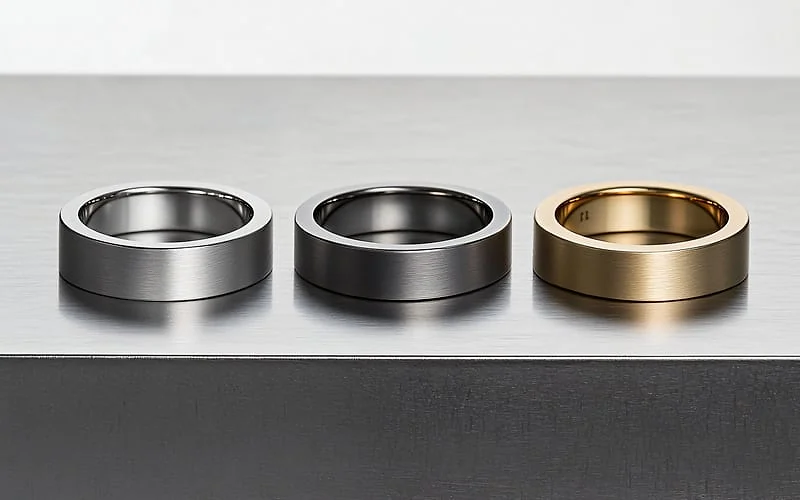
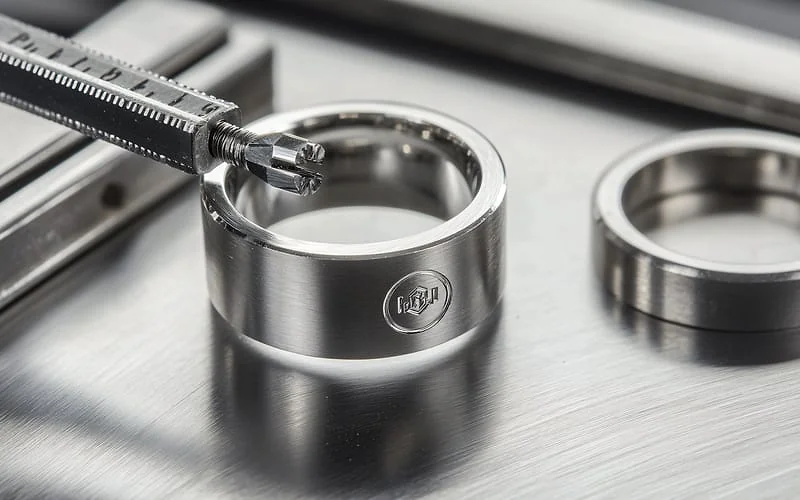
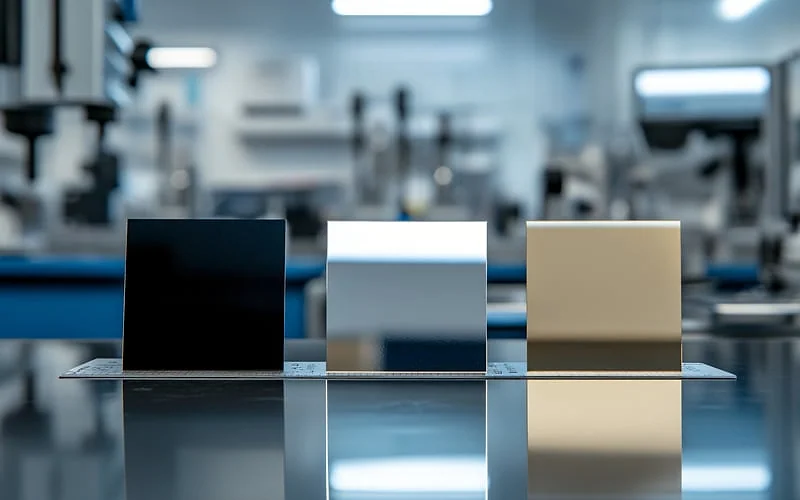
PVD (physical vapor deposition) is a dry, vacuum-chamber process that bombards the jewelry surface with ionized metal particles, creating an extremely hard ceramic-like coating. Typical PVD thickness ranges from 0.3 to 1 micron, but because the coating bonds at a molecular level and is significantly harder than traditional electroplating, thin PVD often outperforms thicker conventional plating.
Rhodium plating is a traditional electrochemical process applied over a base of silver or gold. It produces a bright white, highly reflective finish and typically measures 0.15 to 0.5 microns thick. Gold vermeil, under US FTC standards, requires a sterling silver base with gold plating at least 2.5 microns thick and minimum 10K gold purity — these are legal minimums and sit well above casual gold-plated jewelry.
Tarnish Life and Daily Wear
PVD coatings are the most durable of the three, typically retaining color and finish for two to five years of regular wear. This makes PVD the plating of choice for stainless steel and brass fashion jewelry meant for heavy daily use, especially in humid climates or for customers who shower, swim, or work out in their pieces. The trade-off is a limited color range — most factories offer a finite palette of PVD tones (gold, rose gold, black, gun metal), and matching a custom color requires setup fees.
Rhodium's bright white is irreplaceable for silver and white-gold looks, but it wears through on rings and bracelets within 12 to 24 months of daily wear, exposing the underlying yellower silver or gold. Gold vermeil, when produced to genuine specifications, holds up well for two to four years. Cheap vermeil imitations that use thin gold layers over non-silver bases wear through in months and generate return complaints — insist on certified 2.5 micron minimum gold on sterling silver from your supplier.
Price Premium and Ideal Retail Tier
PVD adds roughly 0.50 to 2 USD per piece over unplated or basic-plated equivalents, depending on piece size and complexity. This makes PVD the sweet-spot plating for fashion jewelry retailing 25 to 80 USD — the durability story justifies premium pricing without inflating cost of goods unsustainably.
Rhodium adds less cost (0.30 to 1 USD per piece) and is essentially mandatory on white silver and white gold pieces regardless of retail tier — it is the industry default for any silver piece that needs a durable bright finish. Gold vermeil carries the steepest cost premium (3 to 8 USD per piece over silver base), putting finished pieces in the 60 to 200 USD retail range and positioning them as demi-fine jewelry. Match plating to channel: PVD for Amazon and TikTok fashion at 25 to 80 USD, rhodium for silver-based specialists, and vermeil for demi-fine brands telling a durability and value story above 100 USD.